Explore WETWO Cosmetic Packaging
A packaging sample can look perfect when it arrives. That does not mean it is ready for production.
Once the real formula is filled, small problems can appear. A pump may become slow. A label may lift. A bottle may lose its shape. A seal may work on the desk but leak after transport.
Cosmetic packaging compatibility testing helps you find those problems before they become a full production issue. You test the real formula with the intended pack. Then you record what changes and decide what to keep, adjust, or replace.
There is no single test plan for every product. A face oil, alcohol-based mist, thick cream, and liquid foundation do not create the same packaging risks. Your test should follow the formula, package, filling process, and sales market.
Key Takeaways
- Test the real formula in the complete packaging system.
- Include the bottle or jar, dispenser, seal, cap, decoration, and label.
- Agree on what you will check before the test starts.
- Keep a control sample and take clear notes at each checkpoint.
- Leave time to change a component and test again before mass production.
What Cosmetic Packaging Compatibility Testing Really Tells You
Compatibility testing answers a practical question: can this formula and this package work together under the conditions we plan to use?
The word “package” means more than the bottle material. It includes every part that may touch the formula or affect performance. That may include the bottle, jar, pump, sprayer, dropper, seal, cap, label, and decoration. You can review common types of cosmetic packaging first if your package direction is still open.
Think about a serum bottle with a pump. The bottle may stay clear and stable. But the pump may not prime well with the formula. The gasket may change. The decoration may rub off when the product is handled. Looking at the bottle alone would miss most of the risk.
That is why the complete pack matters. If you are comparing pumps, sprayers, caps, or droppers, start with the actual cosmetic packaging components you plan to use.
Compatibility testing does not promise that a package will work forever. It gives your team evidence for a defined formula, package, process, and test plan. That evidence supports a better production decision.
Compatibility Testing, Stability Testing, and Factory QC Are Not the Same
These activities are connected, but they answer different questions.
| Activity | Main question | Typical responsibility | What you get |
|---|---|---|---|
| Formula stability testing | Does the formula remain acceptable during the defined study? | Brand, formulator, or qualified laboratory | Formula observations and a product decision |
| Packaging compatibility testing | Does the formula work with the intended complete package during the defined study? | Brand, lab, filler, and packaging supplier working within their roles | Packaging observations, failure notes, and a pack decision |
| Factory packaging QC | Does the packaging match the approved specification and function as agreed? | Packaging manufacturer or supplier | Inspection and function records for the packaging |
A factory can check dimensions, assembly, appearance, and packaging function. It cannot replace your formula stability work or final product approval.
This distinction saves time. It also keeps the right questions with the right team.
Where Compatibility Problems Usually Appear
Most failures are not dramatic at first. They often start as small changes.
Leakage and product loss
A closure may not seal as expected. Product may collect around the pump or cap. Weight may change if the formula escapes or evaporates. The package may look clean when upright but leak when stored on its side.
Changes to the container or components
Plastic parts may swell, soften, crack, discolor, or lose their shape. Glass may appear unchanged while a pump, seal, or decoration creates the real problem.
Do not choose a material only by its name. HDPE plastic bottles and glass cosmetic packaging give you different design and handling options. The final choice still needs to be checked with the actual formula and components.
Poor dispensing
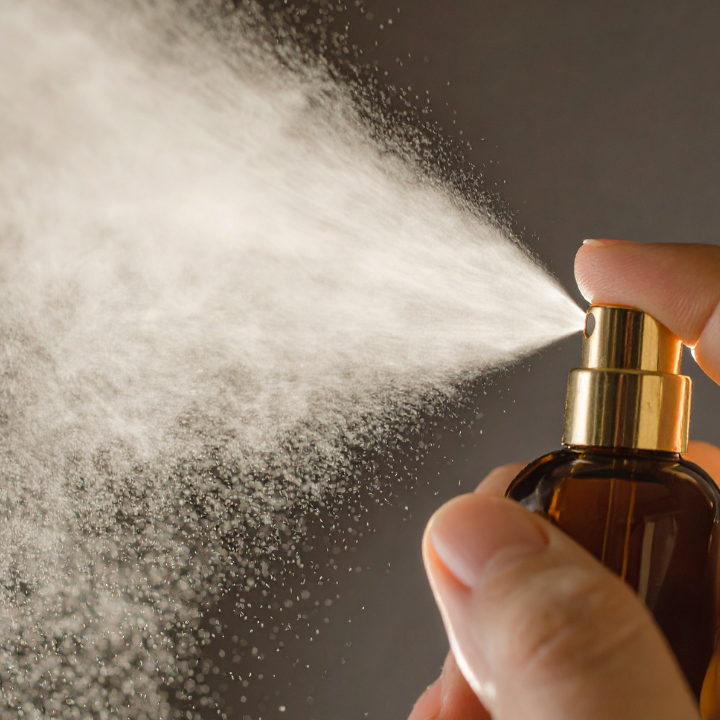
A pump may need too many presses to start. The output may become uneven. A spray may produce large drops instead of a fine pattern. A dropper may draw too little product.
This is especially important with airless pump bottles. The package must work as a system. Formula flow, pump structure, filling, and assembly can all affect the user experience.
Formula changes
The product may change in color, odor, texture, or appearance. These changes need careful review by the brand, formulator, or laboratory. A packaging supplier should not diagnose formula safety from appearance alone.
Decoration and label damage
Ink may rub. A coating may mark. A label may lift at the edge. Product residue, handling, storage, or transport can affect the outside of the pack as well as the inside.
The goal is not to create the longest possible failure list. It is to focus on the risks that could delay your launch or damage the customer experience.
Test the Complete Packaging System
Use the same package combination that you plan to approve for production.
If you test one bottle with a different pump, seal, or decoration, you have tested a different system. The result may still help, but it does not fully represent the final pack.
Your test set should normally reflect:
- The intended bottle, jar, or tube
- The selected pump, sprayer, dropper, or cap
- The final seal, liner, or gasket where used
- The planned label, print, coating, or decoration
- The intended filling and assembly method
- The expected storage, use, and transport position
Small component changes matter. Two pumps may fit the same bottle neck but behave differently with a thick or oily formula. A decorative coating can also change how a part fits or how it looks after handling.
Freeze the sample configuration before the test. Give each version a simple code. This prevents your team from comparing results from different parts by mistake.
What Buyers Should Prepare Before Requesting Samples
You do not need a perfect technical file to begin a packaging discussion. You do need enough information to avoid random samples.
Send the following where available:
- Product type, such as serum, oil, cream, lotion, mist, or liquid makeup
- A real formula sample for final compatibility work
- Basic flow or viscosity information
- Known alcohol, oil, fragrance, or active-content concerns
- Target fill capacity and expected headspace
- Filling method and fill temperature, if relevant
- Desired output, spray pattern, or application method
- Normal use position and storage position
- Planned color, print, coating, label, or other decoration
- Destination market and expected shipping conditions
- Order quantity for each SKU
- Target launch timing, including time for retesting
You do not have to share unnecessary confidential details with every supplier. Start with the characteristics that affect the package. Your formulator or laboratory can keep control of the full formula and final test protocol.
Clear input gives us a better starting point. We can then discuss the packaging structure and prepare more relevant sample options.
A Practical Packaging Compatibility Test Plan
The exact conditions and timeline should come from your responsible technical team. The working process can still stay simple.
1. Freeze the package version
Record the bottle, dispenser, seal, cap, decoration, and label. Add a code or photo for each version.
2. Decide what could go wrong
Choose the checks that matter for this product. A mist needs spray-pattern checks. A thick lotion needs pump and output checks. An oil may need extra attention around seals, decoration, and leakage.
3. Keep a clear baseline
Record the package and formula at the start. Use consistent photos, notes, weights, and function checks. Keep an appropriate control sample when your protocol calls for one.
4. Fill and store the samples as planned
Use the intended fill amount and assembly method where possible. Store samples in the positions and conditions defined by your test plan.
5. Check at planned intervals
Do not rely on memory. Record the same observations each time. Note what changed, when it changed, and which sample version was affected.
6. Change one main variable at a time
If a package fails, do not replace the bottle, pump, seal, and formula together. You will not know which change solved the problem. Adjust one main factor, then test again.
7. Confirm the production-intent pack
The final confirmation should use a package that represents the version planned for mass production. Record the approved components and decoration so later orders follow the same reference.
Packaging Checks to Discuss Before Mass Production
You may not need every check below. Use the table to build a focused review with your formulator, filler, laboratory, and packaging supplier.
| Area | What to look for | Useful record | Typical owner |
|---|---|---|---|
| Seal and leakage | Product around the cap, pump, thread, or seal | Position, time, photos, weight where relevant | Shared project check |
| Package appearance | Swelling, cracking, discoloration, distortion, or loose parts | Baseline and checkpoint photos | Brand and packaging supplier |
| Formula appearance | Change in color, odor, texture, or separation | Controlled observations under the test protocol | Brand, formulator, or lab |
| Pump performance | Priming, output consistency, blockage, or return | Number of presses and repeat observations | Brand, filler, and supplier |
| Spray performance | Pattern, droplet size, direction, and blockage | Photos or videos under consistent conditions | Brand, filler, and supplier |
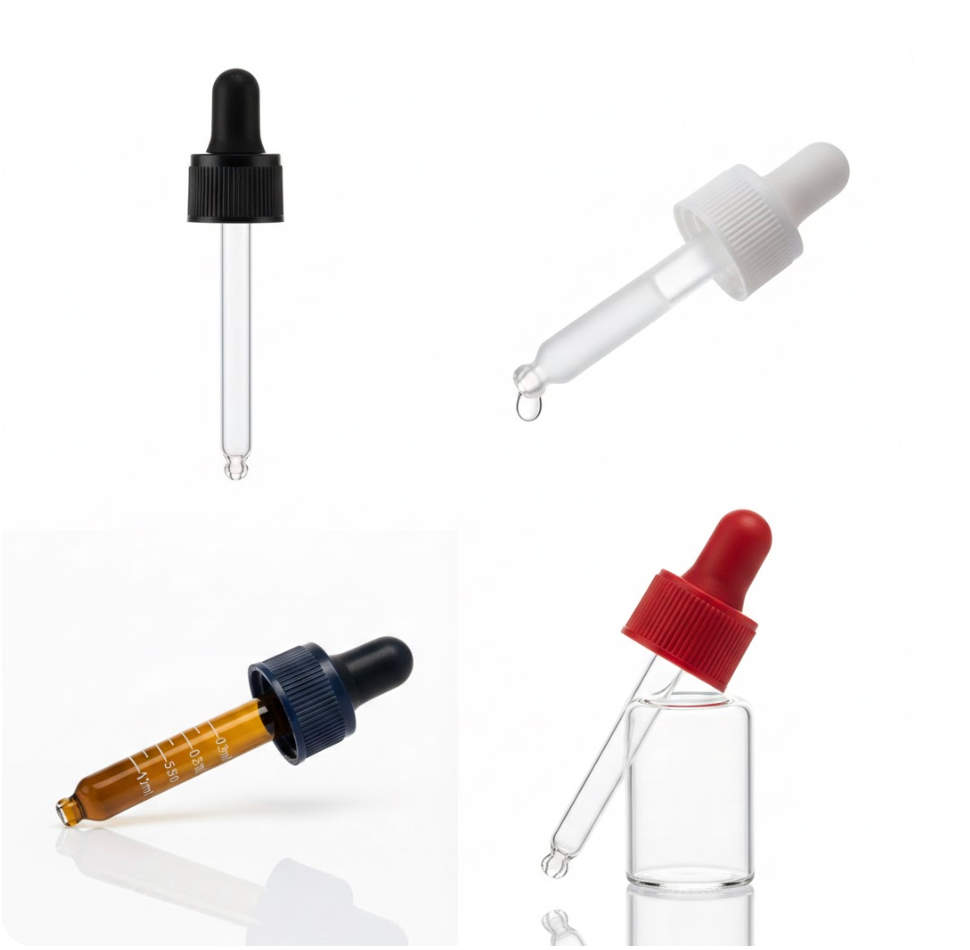
| Dropper performance | Draw, release, fit, and product control | Repeat function notes | Brand and supplier |
| Fit and assembly | Loose fit, over-tightening, poor alignment, or damaged parts | Approved sample and assembly notes | Filler and supplier |
| Decoration and label | Rubbing, lifting, staining, or loss of finish | Photos and handling notes | Brand and supplier |
| Transport behavior | Leakage, loosening, scuffing, or breakage | Defined transport or shipping observations | Brand, logistics team, and supplier |
For spray projects, review the formula and the selected cosmetic spray bottles together. For dropper projects, our guide explains how cosmetic liquid droppers work and which function points need attention.
How to Read the Result Without Guessing
A result is useful only when it leads to a clear decision.
Pass for the agreed scope
The samples meet the defined checks for the tested formula, package, conditions, and timepoints. Record the approved version.
Conditional approval
The pack may work with a known limitation. For example, one decoration may show minor wear under a condition that is not expected in normal use. Your team must decide whether the limitation is acceptable and document it.
Revise and retest
The problem may be correctable. You may change the pump, seal, decoration, assembly, or another defined part. Test the revised version before approval.
Reject the configuration
If the risk cannot be controlled, choose another package direction. A quick rejection is better than forcing an unsuitable pack into production.
Do not hide a weak result inside general comments such as “looks okay.” Use specific notes. Name the sample. Name the change. Record the decision.
What WETWO Can Support
WETWO can help you narrow the packaging direction before you spend time testing the wrong combination.
We can discuss the bottle or jar, matching dispenser, capacity, decoration, and order plan. We can provide available drawings or dimensions where applicable. We can also prepare packaging samples and carry out available factory-side structure, assembly, appearance, and function checks.

If your test finds a packaging issue, send us clear photos, videos, sample codes, and observations. We can review the package side and discuss possible component changes.
Your brand, formulator, filler, safety assessor, or qualified laboratory remains responsible for the formula, protocol, regulatory needs, and final product approval. This is a shared process, but each team needs a clear role.
Good communication makes the process faster. Tell us what you are filling, how you want to dispense it, and what happened during the test. We can then respond to the real problem instead of guessing.
Frequently Asked Questions
Is packaging compatibility testing the same as formula stability testing?
No. Formula stability testing focuses on the product itself. Packaging compatibility testing focuses on how the formula and intended package work together. The studies may run alongside each other, but they do not replace one another.
When should compatibility testing start?
Start when you have a realistic formula and package direction. Leave enough time before mass production to review results, change a component, and test again if needed.
Can I use water instead of the real formula?
Water can help with an early assembly or dispensing check. It cannot prove final compatibility. The real formula may behave differently with the bottle, pump, seal, decoration, or label.
Do I need to test again if the bottle material stays the same?
Review any meaningful change. A different resin grade, supplier, color, pump, seal, shape, decoration, formula, or filling process can affect the result. The material name alone is not enough.
Should labels and decoration be included in the test?
Yes, if they are part of the final pack. Product residue, handling, storage, and transport can affect print, coatings, labels, and surface finishes.
How many samples do I need, and how long does testing take?
It depends on the formula, package, risks, test conditions, checkpoints, and number of versions. Your responsible technical team or laboratory should define the plan. Do not rely on one universal sample count or timeline.
Can WETWO guarantee that a package is compatible with my formula?
No packaging supplier can give a universal guarantee without a defined formula, package, and validation process. WETWO can support package selection, samples, specifications, factory checks, and packaging adjustments. Your team remains responsible for final validation and approval.
What should I send WETWO first?
Send the product type, target capacity, preferred package, dispensing need, decoration, quantity per SKU, destination market, and target timing. If you have already tested a sample, include the sample code and clear observations.
Contact Us
Tell us what you are filling and how you want the package to work. We will help you review the packaging direction and sample options.
Related Packaging Guides
Compare the main packaging formats before choosing a sample direction.
Understand dropper structure, product draw, and the function points to review.
Explore airless packaging options for projects that need controlled dispensing.
Start Your Packaging Compatibility Review
Send us your formula type, target pack, capacity, dispensing need, decoration, quantity, and timing. We will help you prepare a practical packaging discussion.