1# Introduction
In recent years, refillable cosmetic container has become one of the fastest-growing trends in the beauty industry. As awareness of sustainability grows, more and more brands are actively seeking viable ways to reduce waste while maintaining product quality and the user experience.
Unlike traditional single-use packaging, refillable cosmetic container are designed for reuse, consumers simply replace the inner bottle or refill the pouch rather than discarding the entire container. This approach is not only environmentally friendly and conducive to waste recycling but also encourages repeat purchases.
However, not all refillable cosmetic container solutions are created same. From sterile pump bottles to cream jars, compacts, and pouch refills for personal care products, each type of refillable cosmetic container is designed for specific formulations, usage scenarios, and brand positioning.
In this article, we will explore the main types of refillable cosmetic containers and how to choose the right solution for your product.
2# Why Refillable Cosmetic Container Is Trending?
Refillable cosmetic container is no longer just a niche concept—it is rapidly becoming a mainstream solution adopted by both emerging brands and global beauty giants.
From a sustainability perspective, refillable cosmetic container allows consumers to reuse outer containers multiple times, reducing plastic consumption and facilitating waste sorting and recycling, thereby enabling both brands and consumers to fulfill their environmental responsibilities.
Beyond environmental considerations, the cost advantages are clear. While initial packaging costs may be higher, refills are typically lighter, use fewer materials, and are more cost-effective in terms of mass production and shipping. Over time, this helps brands optimize packaging costs and improve profit margins.
From the consumer’s perspective, refillable cosmetic container encourages repeat purchases, as consumers return to buy refills or replacement cartridges. This builds a stronger connection between the brand and the consumer, thereby increasing customer lifetime value rather than relying solely on one-time sales.
3# Main Types of Refillable Cosmetic Containers.
3.1 Refillable Airless Pump Bottles
Refillable airless pump bottles are the most widely used cosmetic packaging solutions, for serums, lotions, and creams. Designed with a clean system, these bottles prevent air from entering the container during using, to protect sensitive formulations from oxidation damage, contamination, and degradation, especially suitable for active ingredients such as vitamin C, retinol, and natural extracts.
Unlike traditional cosmetic pump bottles, airless pump bottle uses a vacuum pump to ensure more precise dispensing and minimize product waste, allowing users to easily refillable without replacing the outer cosmetic bottles.
Many high-end skincare brands use the refillable airless pump bottle solution. This is because it not only enhances product stability but also provides a superior user experience, aligning with the positioning of luxury cosmetic brands.
It is also important to note that refillable airless bottles differ from standard airless packaging. Traditional airless bottles are typically single-use, whereas refillable bottle designs feature structural modifications that facilitate disassembly, secure resealing after refilling, and long-term durability of the outer packaging.
3.2 Refillable Cream Jars
Refillable cream jars are a popular refillable cosmetic container solution for face creams, eye creams, and lip balms. They typically design as dual-layer jar consisting of a durable outer jar and a replaceable inner jar.
Refillable cosmetic jars enhance the user experience while reducing plastic use and minimizing pollution and makes refilling simple, intuitive, and safe. Overall, refillable cream jars offer a balanced refillable cosmetic container solution that combines sustainability, functionality, and high-end aesthetics.
3.2 Refillable Cushion Compact Cases
Refillable cosmetic compacts are one of the most popular refillable cosmetic systems in the beauty industry, they are typically used for liquid foundations and BB creams.
This design not only reduces cosmetic packaging waste but also encourages repeat purchases—consumers tend to buy refillable cosmetic container rather than change a new brand.
3.3 Refillable Powder & Makeup Compacts
Refillable cosmetic containers are also widely used in powder products, such as pressed powders, blushes, eyeshadows, and contour palettes.
This design offers brands a high degree of flexibility, not only does it enable the creation of customizable makeup palettes and reduce unnecessary packaging. It also allows brands to expand their product lines without having to redesign the entire cosmetic container.
3.4 Refillable Deodorant Containers
Refillable deodorant container is growing quick in the North American and European markets with sustainability-focused brands. The refillable deodorant container typically feature a twist-top or pump-style design and come with replaceable refills.
Compared to traditional single-use deodorant bottles, refillable deodorant container designs as reduce plastic usage while maintaining a familiar user experience.
3.5 Refillable Spray Bottles (Mist & Perfume)
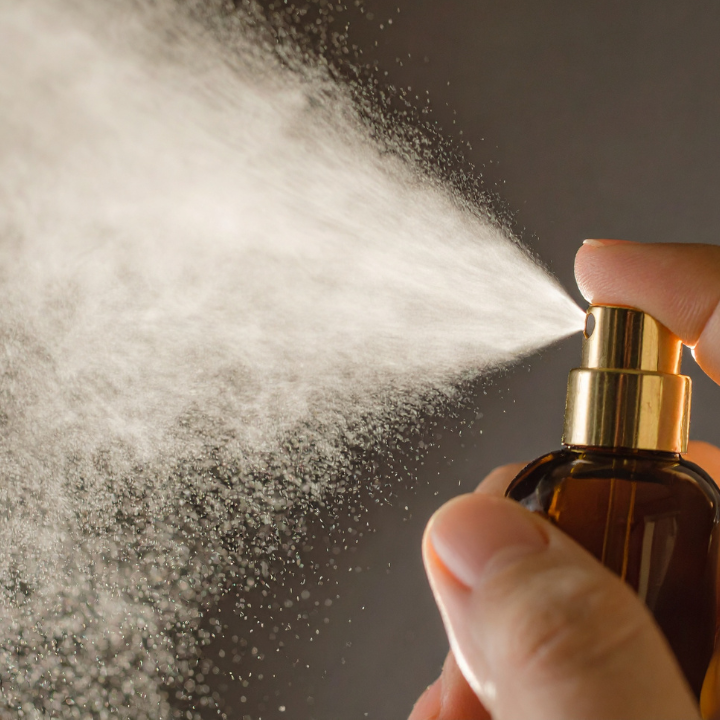
Refillable spray bottles are commonly used for facial mists, toners, essences, perfumes, fragrances, and colognes. Depending on the design, these refill cosmetic bottles may feature a removable inner bottle or a bottom-fill system, allowing users to refill the liquid without having to disassemble the entire package.
Refillable spray bottles must ensure good sealing and leak-proof performance even after repeated use, while maintaining consistent spray quality.
4# Materials Used in Refillable Packaging
The choice of materials plays a critical role in the performance, appearance, and sustainability of refillable cosmetic containers. Unlike single-use packaging, refillable cosmetic systems typically consist of multiple components, such as the outer container and inner container and pump or lid, each of which requires specific material properties to function effectively.
Common materials include:
PP Material: which offers chemical resistance and high compatibility. It is frequently used to inner cosmetic bottles or jars.
PET and PETG: They are widely chosen for their excellent balance of high transparency, high strength, and aesthetic appeal, making them suitable for both inner and outer components for refillable cosmetic containers.
ABS: It is rigidity and durability, helping to maintain structural integrity through repeated use for your refillable cosmetic containers, normally used for outer bottles or jars.
Acrylic: It is another popular choice for high-end cosmetic packaging. With glass feeling surface, it enhances the perceived value of the product and is well-suited for premium cosmetic product lines.
Aluminum: It is increasingly being adopted as a sustainable alternative.
Understanding the differences in material selection between outer and inner container is crucial to ensuring product safety, user experience, and environmental performance, while aligning with cosmetic brand positioning and the target market.
5# How to Choose the Right Refillable Container?
Choosing the right refillable cosmetic container is not only about following sustainability trends, it requires a good understanding of your product, target market, and formulation. A well-matched refill cosmetic container system can enhance product performance and brand value, reduce costs, and ensure product stability.
First, consider the product type. Liquid formulations, such as serums and lotions, are typically best suited for airless pump systems, while creams are better suited for refillable cosmetic jars. Powder products design with replaceable powder cartridges.
Next, consider formulation stability. If the product contains active ingredients sensitive to air or light, airless refill pump system is strongly recommended. For products with high formulation stability, a simpler refill mechanism is sufficient from a cost perspective.
From a brand positioning perspective, mass-market brands prioritize cost-effectiveness and simple refill mechanisms, while premium brands opt for high-end packaging to enhance perceived value and user experience.
6# Common Challenges & Solutions
Leakage Issues: When designing refillable cosmetic container system, must consider the tolerances and compatibility between components.
Compatibility: We suggestion that around 2–3 months in your schedule for compatibility testing to ensure the stability of before mass-production runs.
User Misuse: Design the structure with easy using and easy change for your refillable cosmetic containers.
High Minimum Order Quantities: We have standard molds for most of the popular refillable cosmetic containers in the market, so our minimum order quantity is flexible.
7# Custom Refillable Packaging Solutions
Wetwo offers a full customization services:
Capacity: 30ml, 50ml, 80ml, 100ml, 120ml
Color: Pantone-based
Logo: Silk screen printing, hot stamping, label
Structure design: Various caps or pumps options, different refill system options, and OEM base.
Production Capacity: 10,000 units per month for single refillable cosmetic container.
Mold Development: Standard molds and custom molds.
Sampling Lead Time: 7–10 days
8# Conclusion
I hope this article helps you choose right refillable cosmetic containers type or refillable skincare packaging including refillable airless bottles or refillable jars.

Are refillable cosmetic containers really eco-friendly?
Yes, because reducing plastic using, only change inside refillable cosmetic container, at the same time, you can choose sustainable and Eco-friendly materials.
What products are NOT suitable for refillable packaging?
Low-cost, bulk products and basic cleansers are generally not suitable for refillable systems.
Single-use or travel-size cosmetic products are also unsuitable. These products are designed for convenience and portability rather than long-term use.
Can small brands use refillable packaging?
Yes, for sure. We provide you a flexible MOQ, because we have standard molds system for refillable cosmetic containers.
How to ensure hygiene in refill systems?
A well-designed refillable cosmetic container system must minimize product exposure, prevent contamination, and ensure safe, repeatable use without compromising the integrity of the formulation.
Material selection is equally critical for your refillable cosmetic container. The inner tank is typically made of materials with high chemical resistance and low chemical reactivity to ensure that they do not react with the formulation or leave residues over time.
Why choose us?
15 years manufacturing in refillable cosmetic containers and other cosmetic bottles, jars. One stop service for your plan.